Worried that ceiling cutouts for downlights compromise your building’s fire safety? A fire can spread rapidly through these gaps, turning a small incident into a disaster. Fire-rated downlights provide a solution.
A fire-rated downlight is a recessed lighting fixture with built-in fire protection. It contains an intumescent material that expands when exposed to heat, sealing the ceiling opening. This helps stop fire and smoke from spreading between floors for a specific time, typically 30, 60, or 90 minutes.
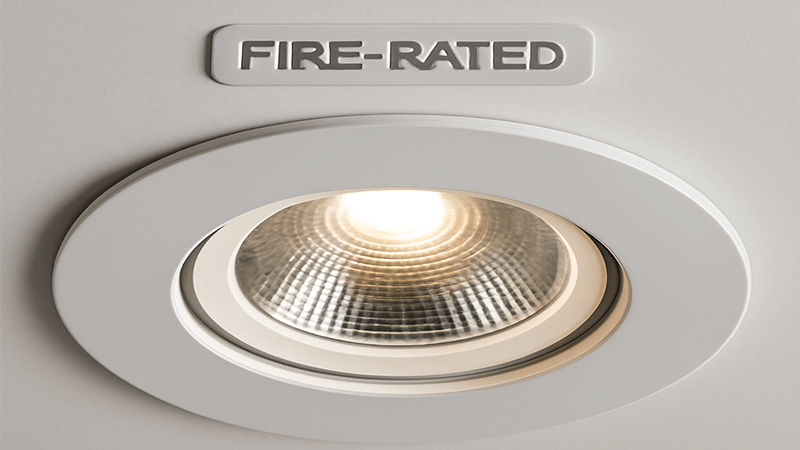
When I first started in the lighting industry, I saw downlights simply as a way to provide light. But as I learned more about building construction and safety, I realized their bigger role. A hole cut into a ceiling for a standard downlight breaks the ceiling’s ability to act as a fire barrier. A fire-rated downlight is designed to restore that barrier. It’s a small detail, but it’s a critical part of a building’s passive fire protection system. Understanding how they work is not just for compliance; it’s about protecting property and, more importantly, lives. Let’s look closer at what makes them so essential.
What is the difference between fire-rated and non-fire-rated downlights?
Choosing the wrong downlight can seriously compromise a building’s fire safety. A non-fire-rated fixture is like leaving an open door for fire to spread. Understanding the difference ensures you install true protection.
The key difference is construction. Fire-rated downlights have a special intumescent seal that non-fire-rated ones lack. This seal expands with heat, blocking fire. Non-fire-rated downlights have no such barrier, leaving a dangerous gap in the ceiling’s fire protection.
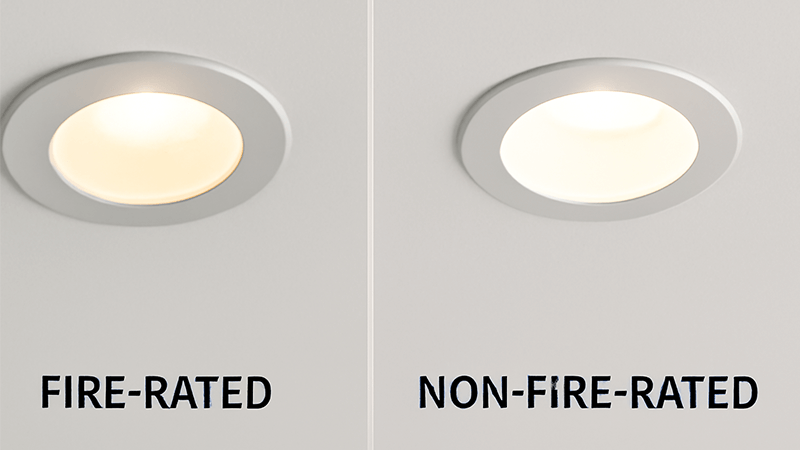
The choice between these two types of downlights comes down to a simple question: does this ceiling need to act as a fire barrier? If the answer is yes, then a fire-rated downlight is not optional. As a purchasing manager, I know you, Shaz, are always balancing cost and quality. It’s easy to see the higher price of a fire-rated downlight and question the value. But the extra cost is a direct investment in safety and compliance. Think of it as insurance built right into the light fixture.
Construction and Materials
A non-fire-rated downlight is a simple can or housing designed only to hold a light source. A fire-rated downlight, however, is a sophisticated safety device. It often has a steel body and, most importantly, includes intumescent material. This material is the magic ingredient. When it reaches a certain temperature, around 150°C, it swells up to many times its original size, creating a solid char that seals the fixture shut. This blocks flames and hot gases from passing through the ceiling cutout.
Safety and Cost Comparison
Let’s break down the core differences in a simple way. The primary function of one is lighting, while the other provides both lighting and passive fire protection.
| Feature |
Fire-Rated Downlight |
Non-Fire-Rated Downlight |
| Main Purpose |
Lighting and Passive Fire Protection |
Lighting Only |
| Key Component |
Intumescent Seal |
No special safety components |
| In a Fire |
Seals the ceiling hole, slowing fire spread |
Allows fire and smoke to pass through freely |
| Cost |
Higher initial cost |
Lower initial cost |
| Best Use |
Ceilings that are designated fire barriers |
Ceilings where fire resistance is not required |
I once worked with a contractor who tried to save money by using non-fire-rated downlights throughout a multi-family building. The building inspector immediately failed the project. The cost to replace every single downlight was far greater than the initial savings, not to mention the project delays. It was a tough lesson for them, but it highlights why making the right choice from the start is so important.
What are the rules for fire rated downlights?
Navigating building codes and fire safety regulations can feel overwhelming. Ignoring these rules can lead to failed inspections, fines, and serious liability issues. Understanding the basic rules simplifies compliance and ensures safety.
Rules vary by location, but they generally require fire-rated downlights in ceilings that function as a fire barrier between separate spaces. This includes ceilings below an occupied floor. The downlight’s fire rating (e.g., 60 minutes) must match the ceiling’s required rating.
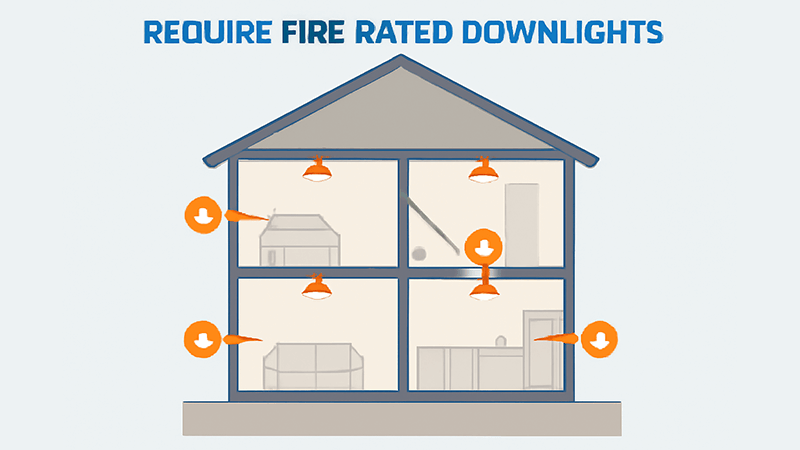
As someone who manufactures lighting, I have to be deeply familiar with these regulations. They aren’t just suggestions; they are legal requirements based on years of fire safety research. For a purchasing expert like Shaz, knowing these rules is key to sourcing compliant products for projects in the UAE or anywhere else. The goal is always to match the product to the building’s specific safety requirements. An architect or fire safety engineer will specify these requirements, and your job is to procure a product that meets them without fail.
Where Are They Required?
The fundamental rule is this: if you cut a hole in a fire-rated ceiling, you must fill that hole with a fire-rated product. Fire-rated ceilings are essential for "compartmentation"—the strategy of dividing a building into smaller sections to contain a fire.
You will almost always need fire-rated downlights in these locations:
- Multi-story residential buildings: The ceiling of a ground-floor apartment must protect the apartment above it.
- Commercial properties: Ceilings between different floors or between a shop and an office above it.
- Homes with an integrated garage: The ceiling between the garage and the living space above must be fire-rated.
- Loft conversions: The new floor/ceiling structure will almost certainly require fire-rated components.
Understanding Fire Ratings
Fire ratings are given in minutes (e.g., 30, 60, 90). This number tells you how long the downlight can withstand fire and prevent it from passing through. The rating you need depends on the ceiling’s construction and local building codes.
| Rating |
Typical Use |
Explanation |
| 30-Minute |
Used in some single-family homes with 30-minute fire-rated ceilings. |
Provides a basic level of protection, suitable for standard timber joist constructions. |
| 60-Minute |
Common in many residential and commercial buildings. |
Often required for ceilings made with more robust timber joists, providing a greater escape window. |
| 90-Minute |
Used in higher-risk or larger commercial buildings. |
Required for ceilings with a higher fire resistance rating, common in concrete or steel frame structures. |
Always check the local building regulations for your specific project. In the UK, for example, Part B of the Building Regulations details these requirements. In the UAE, you would refer to the UAE Fire and Life Safety Code of Practice. The architect’s plans should specify the required rating, making your procurement task clearer.
How do I know if my downlight is fire rated?
It can be hard to tell if a downlight is fire-rated just by looking at it. Installing the wrong one by mistake is a huge risk that can compromise the entire building. Thankfully, there are clear signs to look for.
Check the product itself for markings like "FR," "F-Rated," or specific fire-rating standards (e.g., BS 476). The packaging and technical data sheet will also explicitly state the fire rating, such as "30/60/90 minute fire rated." Reputable manufacturers always provide this documentation.
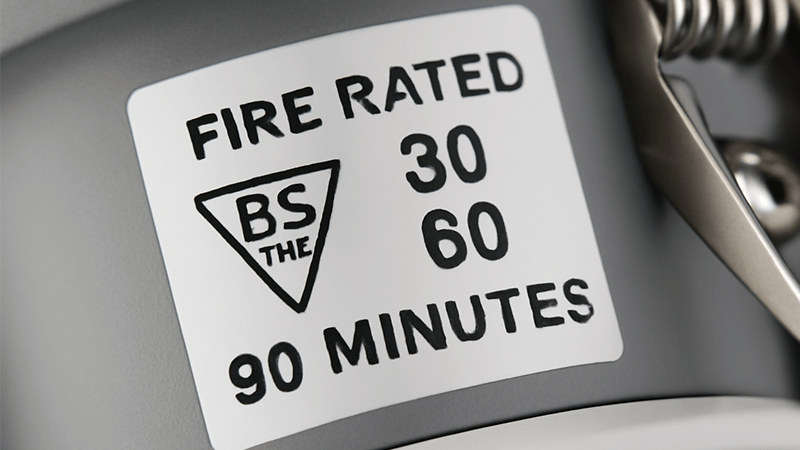
When I’m developing a new product, getting it certified is the most critical final step. We send our downlights to an independent lab where they are installed in a test ceiling and subjected to a real fire. The product must prove it can hold back the fire for its rated time. This certification isn’t just a piece of paper; it’s a guarantee of performance. As a buyer, you should never have to guess. The proof should be easy to find.
Look for Physical Clues and Markings
First, examine the downlight itself. While designs vary, fire-rated models are often more robust and heavier than their non-fire-rated counterparts because of their steel construction and the intumescent material. You might see a "hood" or "can" over the back of the fixture, which helps contain the fire.
Most importantly, look for markings stamped or printed directly onto the product body. Manufacturers are proud of their certifications and display them clearly. You might find:
- The letters "FR" (Fire-Rated).
- A specific standard number, like BS 476-21.
- A CE mark (for Europe) or UKCA mark (for the UK), which indicates compliance with safety standards.
Check the Documentation
The most reliable way to confirm a downlight’s rating is to check its documentation. Never install a downlight without this information.
| Document |
What to Look For |
| Product Packaging |
The box will prominently feature the fire rating (e.g., "90 Minute Fire Rated"). It’s a major selling point. |
| Technical Data Sheet |
This document provides all specifications, including fire rating, test standards, dimensions, and installation instructions. |
| Installation Manual |
The manual will mention the fire rating and provide specific instructions for installing it in a fire-rated ceiling. |
| Supplier Website |
Reputable brands like ours list the fire rating and provide downloadable data sheets for every certified product. |
I always tell my clients, if a supplier can’t provide a clear data sheet with the fire rating and testing standards, walk away. In my experience, a lack of clear documentation is a red flag. For a professional like you, Shaz, demanding and verifying these documents is a standard part of due diligence that protects both your project and your company’s reputation.
Can fire-rated downlights prevent house fires?
Thinking that a special downlight can prevent a fire from starting is a common misunderstanding. Electrical faults can still happen. A fire-rated downlight’s job starts after a fire has already begun.
No, fire-rated downlights cannot prevent a fire from starting. Their purpose is to contain a fire once it has begun by sealing a hole in the ceiling, slowing its spread to other floors and giving people more time to escape.
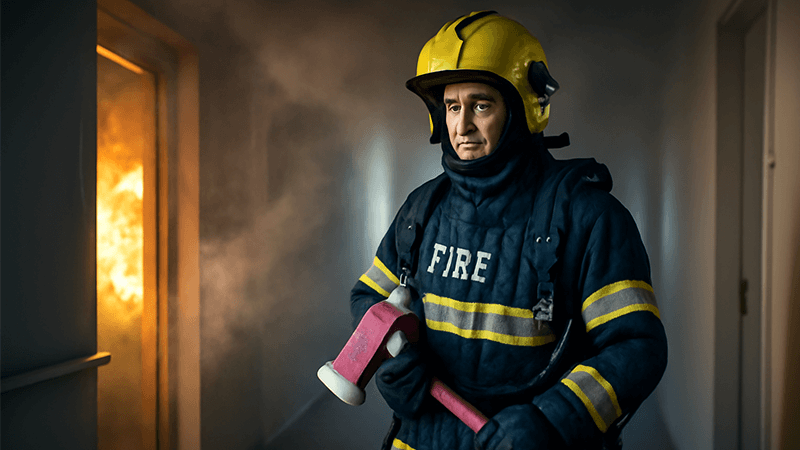
It’s crucial to understand the difference between active and passive fire protection. Active systems, like smoke detectors and sprinklers, detect a fire and actively work to extinguish it or alert people. Passive systems, like fire-rated downlights and fire doors, are built into the structure of the building. They don’t do anything until a fire occurs. Then, their job is to contain the fire and smoke, limiting damage and creating safer escape routes. As a manufacturer, I design products to be one part of a complete fire safety system, not a standalone solution.
Role in a Fire Safety System
A fire-rated downlight is a passive fire protection measure. It plays a specific, critical role in containing a fire. Imagine a fire starts in a kitchen. The ceiling above the kitchen is a fire barrier designed to protect the bedroom on the floor above for 60 minutes. If you have standard, non-fire-rated downlights, you have effectively created several small holes in that barrier. Fire and deadly smoke can pour through those holes in minutes, rendering the 60-minute barrier useless.
A fire-rated downlight solves this problem.
- Before the Fire: It functions as a normal light.
- During the Fire: The heat causes its intumescent material to expand and seal the hole.
- The Result: The ceiling’s 60-minute fire rating is restored, slowing the fire’s vertical spread.
This containment provides precious extra time for occupants to evacuate and for firefighters to arrive and control the blaze.
What Prevents Fires?
Preventing electrical fires starts with proper installation and high-quality products. Here’s what actually helps prevent fires from starting at the downlight source:
| Prevention Method |
Description |
Why It’s Important |
| Proper Installation |
Ensuring wiring is correct, connections are secure, and the fixture isn’t covered by insulation unless it’s IC-rated. |
Faulty wiring and overheating are leading causes of electrical fires. |
| Quality Components |
Using downlights with reliable drivers, good heat dissipation, and quality wiring. |
Cheap, poorly made components are more likely to fail and create a fire hazard. |
| IC Rating |
Choosing "Insulation Contact" rated downlights if they will be covered by thermal insulation. |
This prevents the fixture from overheating, which is a significant fire risk. |
| Professional Electrician |
Having a qualified professional install the lighting. |
They understand electrical codes and safe installation practices. |
So, while a fire-rated downlight is an essential safety feature for fire containment, it doesn’t replace the need for quality manufacturing and correct, professional installation to prevent the fire from ever starting.
Conclusion
A fire-rated downlight is a vital safety component that contains fire by sealing ceiling openings. It does not prevent fires but is essential for slowing their spread and protecting lives.