Struggling to get the lighting just right? You pick high-quality downlights, but the room still has harsh glares or awkward dark spots. The secret might be a single, often-overlooked specification.
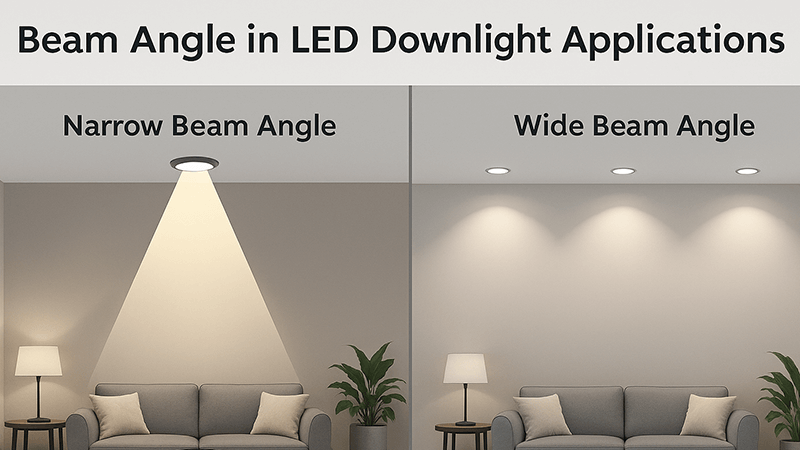
The beam angle of an LED downlight determines how the light spreads, from a narrow, focused spotlight to a wide, gentle floodlight. Choosing the right angle is crucial for creating the intended mood and function of a space, whether for highlighting artwork or general room illumination.
In my years of manufacturing LED lights, I’ve learned that one technical detail can make or break a lighting project. This detail acts as a bridge, connecting the physical light fixture to the feeling of the room itself. It’s the key to transforming a good space into a great one, and it’s simpler than you might think. Let’s explore how you can master this for your own projects.
What is the beam angle in LED lights?
You see numbers like 15° or 60° on a spec sheet, but what do they really mean for your project? Picking the wrong one can completely ruin the intended design.
The beam angle measures the spread of light from a fixture, calculated in degrees (°). A small degree number indicates a narrow, concentrated beam of light, like a spotlight. A large degree number means a wide, softer spread of light, like a floodlight.
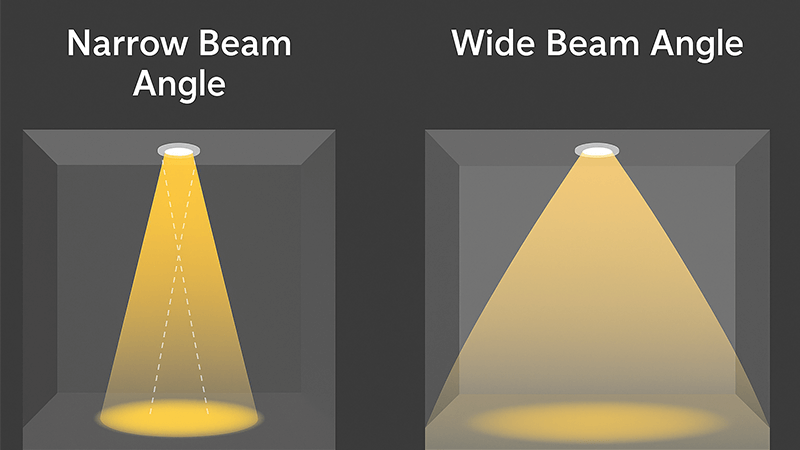
When I first started in an LED factory, this concept was a revelation. It wasn’t just about how bright a light was (lumens) or its color (kelvins); it was about the shape of the light itself. Understanding this is the first step toward becoming an expert in lighting design. Think of it as choosing between a fine-point pen and a thick marker. Both have their uses, but you wouldn’t use one for the other’s job. The same is true for beam angles. A narrow beam is for drawing attention, while a wide beam is for covering a large area.
How Beam Angles are Categorized
To make it easier, we generally group beam angles into a few main categories. This helps purchasing managers like Shaz quickly identify the right type of downlight for a specific application. It’s important to remember that these are not strict rules, but helpful guidelines that we use in the industry.
| Beam Angle Range |
Classification |
Common Use Cases |
| < 20° |
Narrow Spot |
Highlighting small art pieces, architectural details, display cases, high ceilings |
| 20° – 40° |
Spot |
General accent lighting, task lighting over kitchen counters, highlighting features |
| > 40° |
Flood |
General ambient lighting, illuminating large areas like living rooms or offices |
I remember a client in the UAE who was designing a luxury retail store. He needed to make the jewelry sparkle without blinding customers. We selected a very narrow 10° beam angle. The tight focus of light hit the diamonds perfectly, creating a brilliant sparkle that drew customers in. At the same time, we used a wider 60° beam for the general walkways, creating a soft, welcoming environment. This project taught me that the magic is in the mix.
What is the best beam angle for downlights?
You’ve got a project, but how do you choose the perfect beam angle for each room? It feels like a gamble, but a wrong choice means a poorly lit space.
There is no single "best" beam angle; the ideal choice depends entirely on the ceiling height and the intended function of the light. For general lighting, a wider angle (40°-60°) is best. For accent or task lighting, a narrower angle (15°-38°) is more effective.
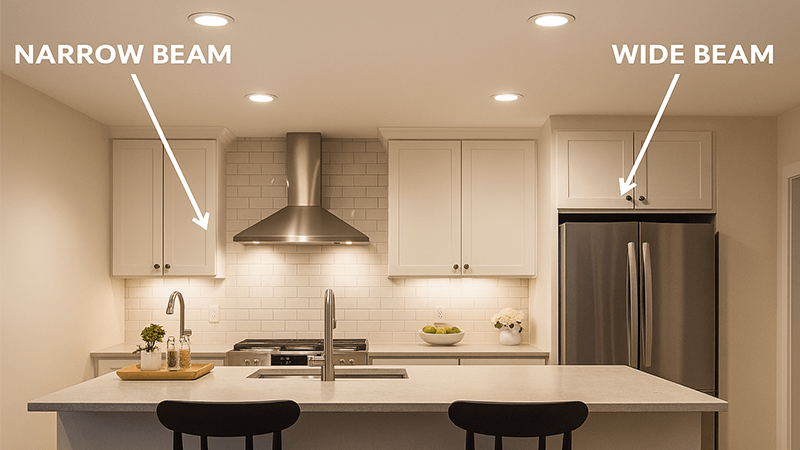
Thinking there is one "best" angle is a common mistake. I tell my clients to stop looking for a single solution. Instead, think about what you want the light to do. Do you want to help someone read a book, see their food clearly, or just feel relaxed in a room? The purpose defines the angle. I always say that an excellent lighting environment is the result of many different beam angles working together in harmony.
Matching Beam Angle to Ceiling Height
One of the most critical factors in selecting a beam angle is the height of the ceiling. A narrow beam from a very high ceiling can create a perfect pool of light on the floor. However, the same beam from a low ceiling will create a small, intense hotspot that feels more like an interrogation lamp. This is a practical challenge that purchasing managers like Shaz face daily. They need to source lights that work within the architectural constraints of a project.
Here’s a simple guide I use to help my partners make the right choice:
- Low Ceilings (Under 2.5m / 8ft): For low ceilings, you need a wide beam angle, typically 60° or more. A narrow beam will create isolated, bright spots and make the room feel smaller and unevenly lit. A wide beam spreads the light out, creating a sense of openness and providing smooth, general illumination.
- Standard Ceilings (2.5m – 3m / 8-10ft): This is the most common ceiling height, and it’s the most flexible. A 38° to 45° beam angle is a great all-rounder here. It provides a good balance, capable of being used for both general lighting (when spaced correctly) and for highlighting larger features like a dining table or coffee table area.
- High Ceilings (Over 3m / 10ft): For high ceilings, you need a more focused, narrow beam angle, such as 15° to 25°. A wide beam from this height would spread out too much by the time it reaches the floor, losing its intensity and effectiveness. A narrower beam ensures the light is strong and concentrated enough to properly illuminate the target area below.
By matching the beam angle to the ceiling height, you ensure the light performs as intended, creating a comfortable and functional environment rather than a flawed one.
Why is the beam angle important?
You might think lumens and color temperature are all that matter. But ignoring the beam angle can lead to wasted energy and visually uncomfortable spaces, no matter how good the light source is.
Beam angle is important because it directly controls the atmosphere and functionality of a room. It determines where light goes and where it doesn’t, allowing you to create focus, define spaces, improve visual comfort, and increase energy efficiency by putting light only where it’s needed.
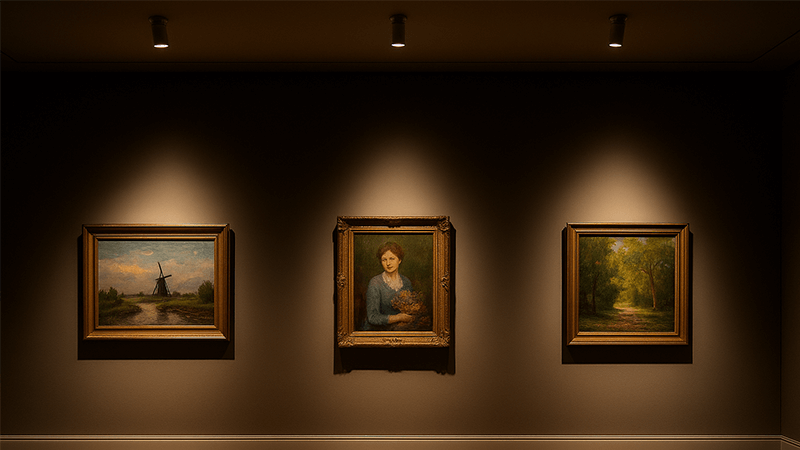
I see beam angle as the ultimate tool for a lighting designer. It’s the difference between simply flooding a room with light and carefully painting it with light. Think about a theater. The spotlight on the main actor is a very narrow beam angle. The soft lights on the stage background are a very wide beam angle. Both are essential. Your project, whether it’s a home or an office, is no different. You need both spotlights and floodlights to create a dynamic and useful space.
The Functional Impact of Beam Angles
The importance of beam angle goes beyond just aesthetics; it has a direct impact on how a space works and feels. For a professional like Shaz, who sources lights for large projects in the UAE, understanding this functional impact is key to delivering value to his clients. The right beam angle can enhance productivity, improve safety, and even influence customer behavior.
Here’s a breakdown of its key functional roles:
-
Creating Visual Hierarchy: The human eye is naturally drawn to areas of higher contrast and brightness. By using narrow beam angles (e.g., 15°), you can create focal points on architectural features, products in a store, or artwork in a gallery. This guides attention and tells people what is important in the space. Wider angles (e.g., 60°) provide the background, or ambient light, that makes the focused elements stand out.
-
Improving Task Performance: For task areas like a kitchen counter, a workshop bench, or an office desk, you need clear, focused light without distracting glare. A medium beam angle (e.g., 38°) is often perfect. It’s wide enough to illuminate the entire workspace but focused enough to provide the high intensity needed for detailed tasks, reducing eye strain and improving concentration.
-
Enhancing Energy Efficiency: Why light up a wall when you only need to light the table in front of it? This is where beam angle becomes an efficiency tool. By using a precise beam angle, you direct lumens only where they are required. This practice, known as "light placement," means you can achieve the desired lighting effect with lower-wattage bulbs, reducing electricity consumption and operational costs over the building’s lifetime.
-
Defining Zones and Spaces: In open-plan designs, lighting is a powerful way to define different functional zones without using walls. For instance, you can use a series of wide-angle downlights for the general seating area of a living room and a narrow-angle downlight to create an intimate reading nook in the corner. This "zoning" with light makes a space feel more organized and intuitive to use.
How will beam angle affect home lighting?
You want to create a home that feels warm, inviting, and functional. But using the same downlight and beam angle in every room can make a house feel flat and uninspired.
In a home, different beam angles create different moods. A wide angle (60°+) in the living room provides soft, general light for relaxation. A medium angle (38°) over a kitchen island offers bright task lighting. A narrow angle (24°) can turn a simple painting into a centerpiece.
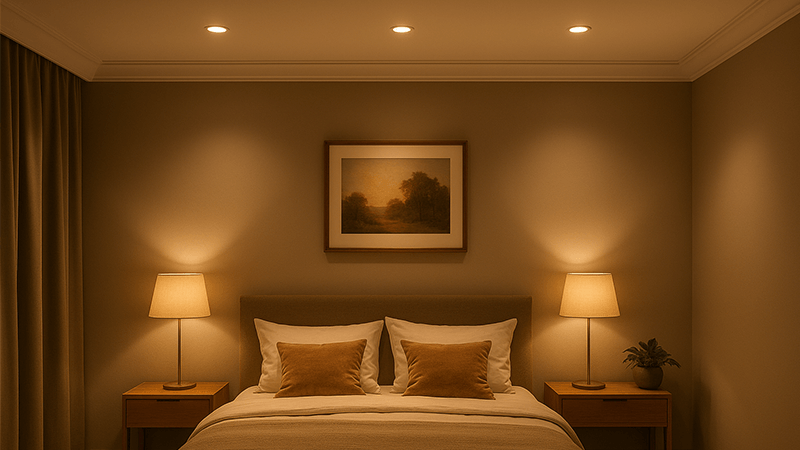
Your home is not one single space; it’s a collection of spaces with different purposes. Your kitchen needs to be bright and functional. Your bedroom needs to be calm and relaxing. Your hallway needs to be safe and welcoming. Using a variety of beam angles is the most effective way to meet the unique needs of each room. It’s how you tailor the light to fit your life, not the other way around. This is the core of good residential lighting design.
A Room-by-Room Application Guide
To make this practical, let’s walk through a typical home and discuss which beam angles work best for each room. As a manufacturer, I often consult with project contractors on plans like these, ensuring they have the right products to create a layered and beautiful lighting scheme. Shaz, dealing with large residential projects, would find this approach essential for sourcing the correct mix of downlights.
-
Living Room: This is a multi-functional space. For general ambient lighting, use wide beam angles like 60° spaced evenly to provide a comfortable, shadow-free base layer of light. Then, add layers. Use a narrower beam, perhaps 24° or 38°, to highlight a fireplace, a piece of art, or textured wallpaper. This is called accent lighting, and it adds depth and interest to the room.
-
Kitchen: The kitchen is a workhorse. Over the countertops, you need bright, focused task lighting. A 38° beam angle is perfect here. It’s wide enough to illuminate your entire prep area but focused enough to minimize glare from reflective surfaces. For the general circulation areas, you can revert to a wider 60° beam for comfortable ambient light.
-
Dining Room: The focus here is the dining table. A single downlight or a series of downlights with a 24° beam angle placed directly above the table will create a dramatic and intimate setting. This illuminates the food and faces of the people at the table, while the rest of the room falls into a softer light, creating a restaurant-like atmosphere.
-
Bedroom: Comfort is key. Use wide 60° beam angles for soft, general illumination that doesn’t feel harsh. For bedside reading lights, a very narrow, adjustable 15° spotlight is ideal. It provides focused light for one person to read without disturbing a partner who is sleeping.
-
Bathroom: Here, you need a mix. Use a wide 60° angle for general lighting. For the vanity mirror, you need clear, shadow-free light. While downlights can be used, wall-mounted lights (sconces) are often better. If using downlights, position two with a 38° to 45° beam angle on either side of the sink to illuminate the face evenly.
By thoughtfully combining different beam angles, you create a home that is not only well-lit but also dynamic, functional, and beautiful.
Conclusion
Choosing the right beam angle is the bridge between a good product and a great design. It allows you to shape light, create mood, and make any space more functional and beautiful.