Are you specifying downlights and seeing the IP65 rating? You might assume this high level of protection also covers fire safety. This common mistake can lead to non-compliance and safety risks.
No, an IP65 rating does not mean a downlight is fire-rated. IP65 refers to its resistance to dust and water ingress, while a fire rating indicates its ability to maintain a ceiling’s fire barrier. They are two separate, distinct safety certifications for different purposes.
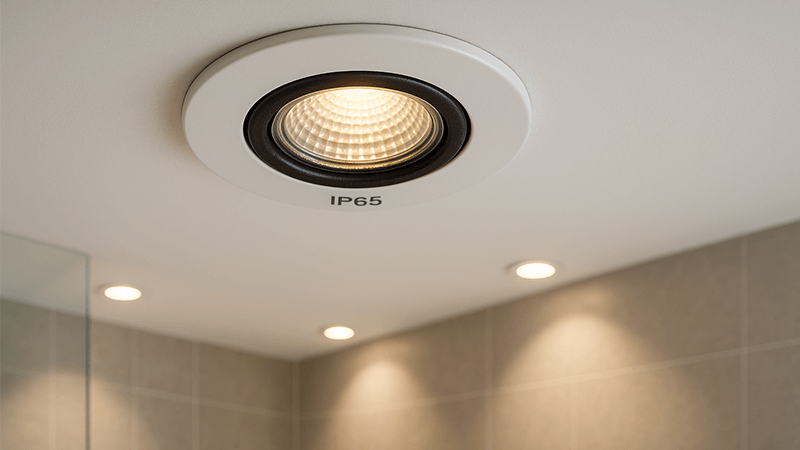
Understanding this difference is critical for any purchasing manager or project contractor. As someone who has been manufacturing LED lighting for years, I’ve seen this confusion cause significant problems on job sites. It’s a simple distinction, but one that ensures the safety and integrity of a building. Let’s break down exactly what each rating means so you can specify your next project with complete confidence and avoid costly errors. I want to help you get this right every single time.
Does IP65 mean fire rated?
You’re looking at a spec sheet, trying to ensure compliance. You see IP65, but does that check the fire safety box? Making the wrong call can compromise the entire project’s safety.
IP65 absolutely does not mean fire-rated. The IP rating system is for Ingress Protection—it measures how well a fixture is sealed against solids like dust and liquids like water. Fire rating is a completely separate standard that measures a product’s ability to resist fire.

I’ve seen many clients, even experienced ones, mix these two up. It’s an easy mistake, but a dangerous one. Think of it this way: the core value of an IP-rated light is to protect itself from the outside world (water, dust). The core value of a fire-rated light is to protect the outside world from a fire spreading through the hole you just cut in the ceiling. They are two different directions of safety protection.
IP Rating: Protecting the Light Itself
The IP code is an international standard. It gives you a clear and simple way to understand a fixture’s level of sealing.
- First Digit (Solids): This number runs from 0 to 6. A ‘6’ is the highest level, meaning the fixture is completely dust-tight. No dust can get inside.
- Second Digit (Liquids): This number runs from 0 to 9. A ‘5’ means the fixture is protected from low-pressure water jets from any direction.
So, an IP65 downlight is perfect for areas where dust and water are present, like bathrooms (outside the direct shower zone), kitchens, or under eaves. It protects the internal electronics from moisture and dirt, ensuring a long and safe operational life.
Fire Rating: Protecting the Building
A fire rating is about compartmentalization. When you cut a hole in a ceiling to install a downlight, you compromise its ability to act as a fire barrier. A fire-rated downlight is specially constructed to seal that hole again in the event of a fire. It contains intumescent material that expands when heated, blocking the passage of smoke and flames for a specified duration.
| Rating Type |
Purpose |
Measured In |
Common Standard Example |
| IP Rating |
Protects the light from dust & water |
IPXX (e.g., IP65) |
IEC 60529 |
| Fire Rating |
Protects the building from fire spread |
Minutes (e.g., 30, 60, 90) |
BS 476-21, EN 1365-2 |
A downlight can be IP65-rated, fire-rated, both, or neither. You must check for each rating independently.
How do I know if my downlights are fire rated?
You have a batch of downlights for a new project. How can you be certain they meet the required fire regulations before your team starts installation? Installing the wrong product can be a disaster.
To know if a downlight is fire-rated, you must check the product packaging, the fixture itself, or the technical datasheet for an explicit statement like "Fire Rated" and a time classification (e.g., 30, 60, or 90 minutes). It will also list the relevant standard, such as BS 476-21.
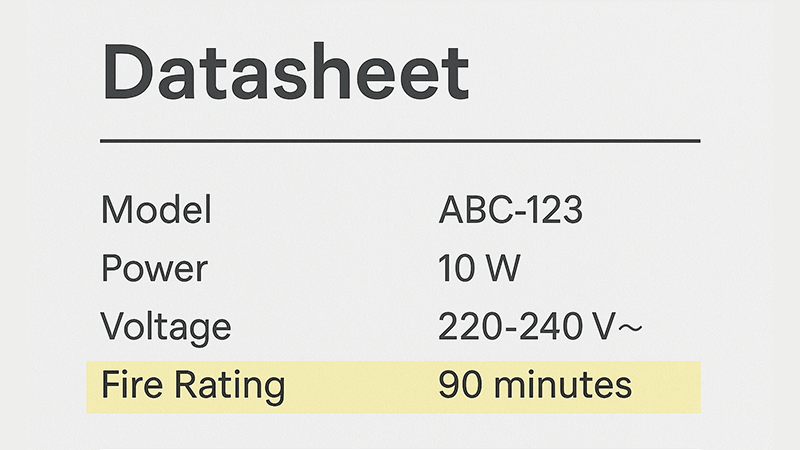
Over my years in the lighting business, I’ve made it a rule to always go straight to the technical sheet. It’s the single source of truth. I once helped a partner, let’s call him Shaz, who was about to install hundreds of downlights in an apartment building. A quick check of the datasheet revealed they weren’t fire-rated for the 60-minute ceiling. We caught it just in time, saving him from a massive compliance failure and the cost of rework.
Step 1: Look for Explicit Markings
The easiest way is to physically inspect the product and its box. Manufacturers will clearly advertise this premium safety feature.
- On the Box: Look for large print stating "Fire Rated," "Fire Resistant," or similar terms. You will often see a time rating displayed prominently, like "60 Minute Fire Rated."
- On the Product: There should be a label or etching on the downlight’s body that includes the fire rating information and the relevant standard it was tested to.
Step 2: Consult the Technical Datasheet
This is the most reliable method and should be your standard practice for verification. Every reputable manufacturer provides a detailed technical specification sheet for their products.
- Find the "Compliance" or "Standards" Section: In this section, you will find a list of all the standards the product meets.
- Look for the Fire Standard: You are looking for a specific fire testing standard, not just a general CE or UKCA mark. The key is the standard number, which confirms it has been tested for this purpose.
Here’s what to look for on a spec sheet:
| Parameter |
Example Value |
What it Means |
| Product Code |
iPHD-DL-FR60 |
Contains "FR" for Fire Rated |
| Fire Protection |
60 Minutes |
The duration it maintains the fire barrier |
| Standard |
BS 476 Part 21 |
The specific fire resistance test it passed |
| Acoustic Rated |
Yes / ISO 10140-2 |
Often included with fire rating |
Step 3: Don’t Rely on Appearance
Never assume a downlight is fire-rated just because it looks robust or has a metal "can" design. The crucial component is the intumescent material, which is often hidden inside the fixture. Without explicit marking or datasheet confirmation, you cannot be sure.
What is a IP65 downlight rating?
You see "IP65" listed on a downlight, but what does that code actually tell you about its performance? Using the wrong fixture in a damp location can lead to failure and electrical hazards.
An IP65 rating on a downlight signifies a high level of protection against solids and liquids. The ‘6’ means it’s completely dust-tight, and the ‘5’ means it’s protected against low-pressure water jets. This makes it safe for use in bathrooms, kitchens, and other humid environments.
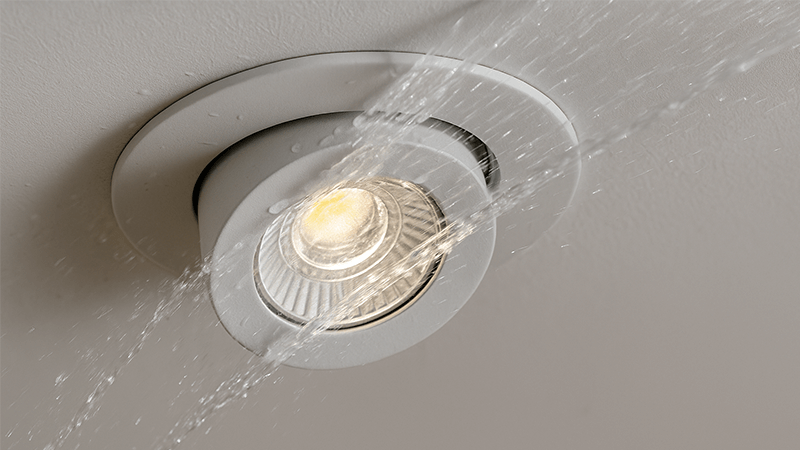
When designing lighting solutions, especially for commercial projects like hotels or residential blocks, picking the right IP rating is fundamental. For a project in the UAE, a client needed lighting for bathrooms and covered balconies. We specified IP65 downlights to ensure longevity despite the humidity and potential for cleaning with water spray. The rating provides peace of mind that the luminaires are sealed, safe, and built to last in that specific environment. It’s all about matching the product’s protection to the application’s demands.
Breaking Down the IP Code
The "IP" stands for Ingress Protection, and the two numbers that follow have very specific meanings. Understanding them empowers you to select the right product for any zone.
The First Digit: Solids Protection
This number indicates the level of protection against the entry of solid foreign objects, from large body parts down to microscopic dust.
- 0: No protection.
- 1: Protected against objects >50mm (e.g., a hand).
- 2: Protected against objects >12.5mm (e.g., a finger).
- 3: Protected against objects >2.5mm (e.g., tools, thick wires).
- 4: Protected against objects >1mm (e.g., most wires, screws).
- 5: Dust-protected (some dust may enter but not enough to interfere with operation).
- 6: Dust-tight (no ingress of dust at all).
The Second Digit: Liquids Protection
This number indicates the level of protection against the entry of water.
- 0: No protection.
- 1: Protected against dripping water.
- 2: Protected against dripping water when tilted up to 15°.
- 3: Protected against spraying water.
- 4: Protected against splashing water from any direction.
- 5: Protected against low-pressure water jets from any direction.
- 6: Protected against powerful water jets.
- 7: Protected against temporary immersion in water.
- 8: Protected against continuous immersion in water.
Therefore, an IP65-rated downlight provides the highest level of dust protection and a strong level of water protection, making it a versatile and robust choice for many applications.
Are IP65 downlights safe to use?
You know IP65 protects against water, but are they safe overall? Specifying a product requires you to be confident in its fundamental safety, from installation to everyday use in demanding environments.
Yes, IP65 downlights are very safe when used in the correct applications, such as bathrooms, kitchens, or outdoors under cover. Their high rating ensures protection from electrical shorts caused by dust and moisture. However, overall safety also depends on proper installation and other certifications, like fire rating.
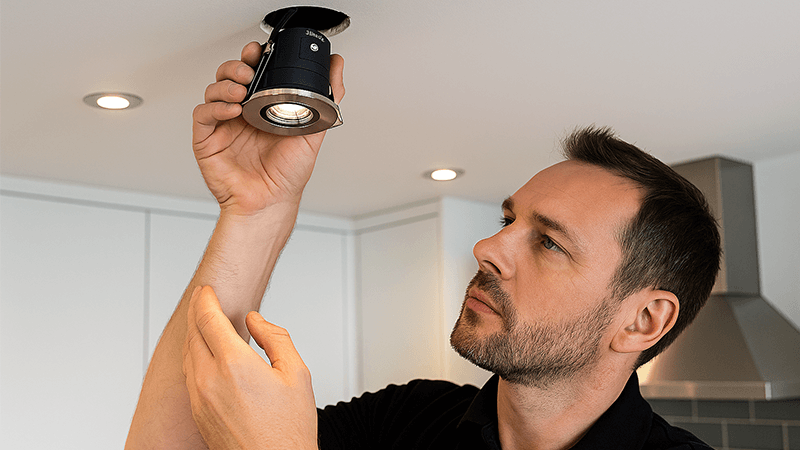
Safety is the foundation of our manufacturing process at iPHD. A luminaire’s safety isn’t just about one feature; it’s the sum of its parts. An IP65 rating is a critical safety feature for preventing electric shock in damp locations. But it’s not the whole story. For a ceiling that requires a fire barrier, an IP65-only downlight would be fundamentally unsafe from a fire-spread perspective. This is why a holistic view is so important. For a recent hotel project, we provided downlights that were both IP65 and 90-minute fire-rated, ensuring total safety from both electrical and fire hazards.
The Electrical Safety of IP65
The primary safety benefit of the IP65 rating is electrical.
- Prevents Shock: By keeping water away from the live electrical components, an IP65 fixture dramatically reduces the risk of electric shock and short circuits. This is non-negotiable in areas defined as Zone 1 and 2 in a bathroom.
- Ensures Longevity: Dust and moisture can cause corrosion and component failure over time. A dust-tight and water-resistant enclosure protects the LED chip and driver, ensuring the light functions safely and reliably for its full lifespan.
The Importance of Correct Installation
Even the safest product can become hazardous if installed incorrectly.
- Secure Connections: All wiring must be correctly terminated within the provided enclosures. Using appropriate waterproof connectors for any external wiring is essential to maintain the system’s integrity.
- Proper Placement: An IP65 downlight is safe for most bathroom and kitchen areas but may not be suitable for full submersion in a pool (which would require IP68). Always install according to the manufacturer’s guidelines and local electrical codes.
The Complete Safety Picture: Beyond IP Rating
As we’ve discussed, a truly safe specification considers all risks. A purchasing manager like Shaz in the UAE needs to verify multiple aspects for total peace of mind.
| Safety Aspect |
What to Look For |
Why It’s Important |
| Electrical Safety |
IP65 Rating (in damp areas) |
Protects against shock from water/dust ingress. |
| Fire Safety |
Fire Rating (in fire-rated ceilings) |
Prevents the spread of fire and smoke through the ceiling. |
| Mechanical Safety |
Secure Mounting Clips |
Ensures the fixture will not fall out of the ceiling. |
| General Quality |
CE/UKCA/UL Marks |
Indicates compliance with general health, safety, and environmental standards. |
An IP65 downlight is a key part of a safe lighting installation in many common areas, but it’s crucial to remember it’s one piece of a larger safety puzzle.
Conclusion
In short, IP65 and fire ratings are different safety features. IP65 protects the light from water, while a fire rating protects the building from fire. Always check for both.