Struggling with a faulty downlight? You are worried about the safety risks and complexity of electrical work. You just want a safe, reliable solution without any future problems.
Yes, in almost all cases, a licensed electrician should change your hardwired LED downlights. This is critical for safety, ensures the installation complies with local electrical codes, and protects your property’s warranties and insurance. It’s the best way to guarantee a professional, worry-free result.
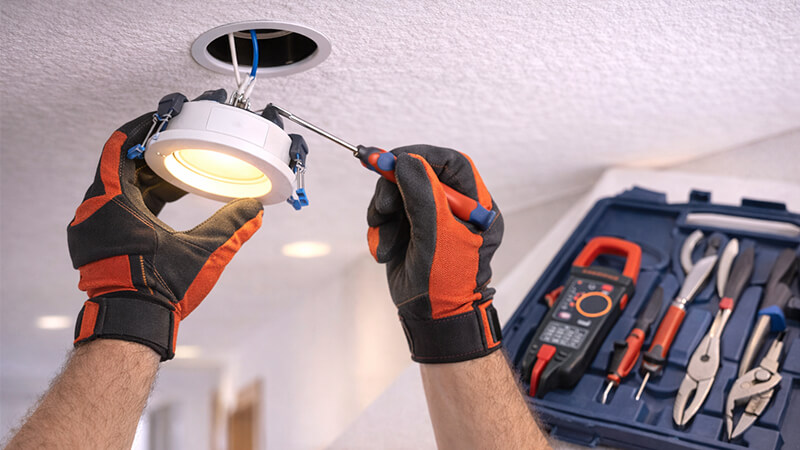
The question of doing it yourself versus hiring a professional comes up often. I’ve been in the lighting manufacturing business for a long time, and I’ve seen it from all sides. Some simple plug-in lights are easy for anyone to handle. But hardwired fixtures like downlights are a completely different challenge. It is important to understand the risks and regulations involved. It is also about seeing the long-term value of a job done right. Let’s look at why this type of work requires more than just confidence and a toolkit.
Do I need an electrician to change an LED downlight?
Your downlight has stopped working. You think it’s a simple swap, but the idea of touching electrical wires makes you nervous. You need to know if you can do it yourself.
Yes, you need an electrician for a hardwired LED downlight. These lights connect directly to the building’s main electrical system. A professional prevents risks like shocks, short circuits, and fires. They ensure the job is done safely and meets all legal standards.
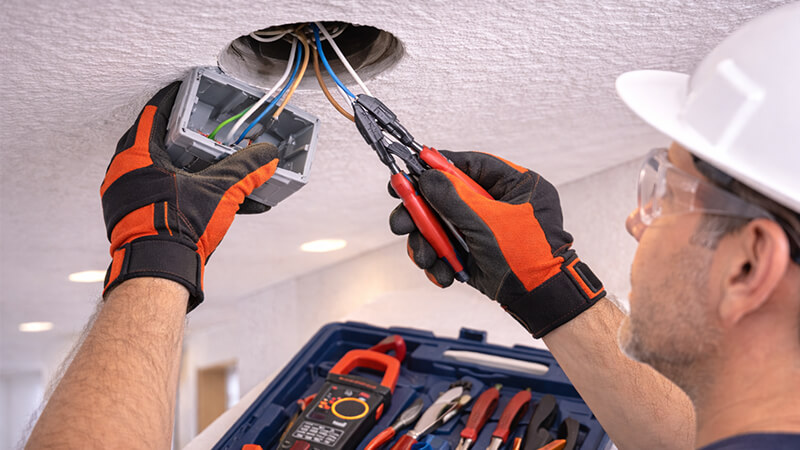
To really understand why, we need to look closer at how these lights work. It is not like changing a standard light bulb. A bulb just screws into a socket that is already safely wired. An LED downlight is a complete fixture. You must connect it directly to your building’s high-voltage electrical wiring. This involves handling live, neutral, and earth wires. A mistake here can be dangerous. It could cause an electrical shock or a fire.
The Importance of Regulations
In my experience, I have seen clients try to install downlights themselves. Sometimes they get it right. But when it goes wrong, the damage can be serious. It can ruin the entire electrical circuit, not just the one light. Most countries, including places like the UAE, Australia, and the UK, have very strict electrical codes. If you do the work yourself and it is not compliant, you could face fines. More importantly, your property insurance might not cover any damage caused by the faulty wiring. For a purchasing manager on a large project, this is a huge liability. I always tell my partners to include the cost of a certified electrician in their budget. It is part of the total cost and protects the project’s value and safety.
Comparing the Risks
Let’s break down the real differences between a DIY job and a professional one.
| Aspect |
DIY Installation |
Professional Installation |
| Safety |
High risk of shock, fire, or short circuits. |
Low risk, follows strict safety protocols. |
| Compliance |
Likely to be non-compliant with local codes. |
Guaranteed compliance with all regulations. |
| Warranty |
Often voids the product and property warranty. |
Maintains all manufacturer and property warranties. |
| Insurance |
Can void property insurance claims. |
Ensures your insurance remains valid. |
| Quality |
The result is uncertain and may lead to issues like flickering. |
A high-quality, stable, and reliable connection. |
Can I install LED downlights myself?
You are good with your hands and enjoy DIY projects. You have watched a few online tutorials, and it looks simple enough. But is it really a good idea to work with wiring?
It is strongly advised not to install hardwired LED downlights yourself unless you are a qualified and licensed electrician. The significant risks of electrical shock, fire, and breaking building codes are not worth the potential savings. For your safety, always hire a professional.
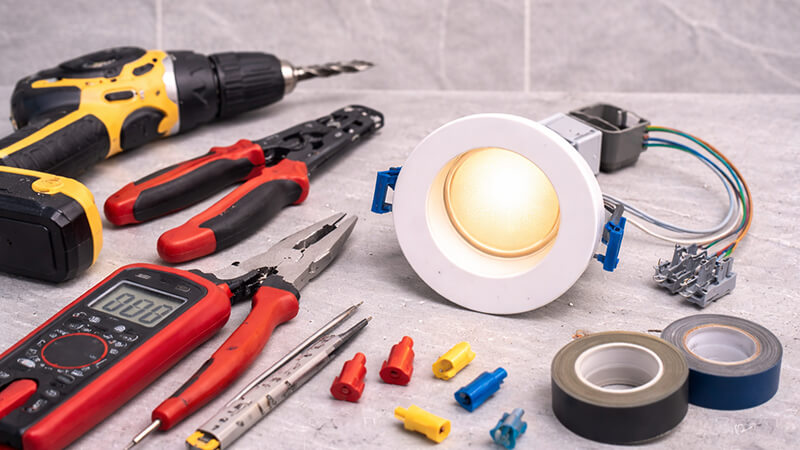
The job is more complex than it appears in a video. It is not just about connecting a few colored wires. There are hidden details that a professional electrician is trained to handle. For example, some LED downlights have an external driver. This is like the power supply for the light. You must use the correct driver that matches the downlight’s specifications. Using the wrong one can cause the light to flicker, fail early, or even become a fire hazard. Another critical point is ventilation. LEDs produce heat, and they need space to cool down. An electrician knows how to install the fixture so that it has enough airflow. They make sure insulation in the ceiling is not packed too tightly around the unit, which is a common cause of overheating and failure.
A Story from the Field
I remember a client, a project contractor, who wanted to save money. He had his own maintenance team install a large batch of our premium downlights in a new building. Within a month, he called me, frustrated because nearly a quarter of the lights had failed. I sent my technical team to investigate. We found two major problems. His team had mismatched the drivers on some units. On others, they had pushed ceiling insulation right up against the fixtures. The lights were overheating and burning out. The cost to buy new units and then hire a certified electrician to reinstall every single fixture was much higher than the money he initially saved. It was a clear lesson for him. The expertise of a professional is an investment, not an expense.
When is DIY Acceptable?
Of course, not all LED lighting requires an electrician. You can definitely handle some types of lighting yourself. This includes plug-in LED desk lamps, battery-operated lights, and simple screw-in LED bulbs. These products are designed for consumers to use safely. The key difference is that they do not require you to touch the building’s main wiring. If the product has a plug that goes into a wall socket, you can install it yourself. If it needs to be wired directly into the ceiling or wall, you need to call an electrician.
Can a non-electrician change a light fixture?
The task looks straightforward. You just disconnect the old fixture and connect the new one. You might think a general handyman can handle it. Is a specialized electrician truly needed for this?
No, a non-electrician or general handyman should not change a hardwired light fixture. In most places, this work is legally restricted to licensed electricians. Using an unqualified person can void your insurance, violate local building codes, and create serious safety risks.
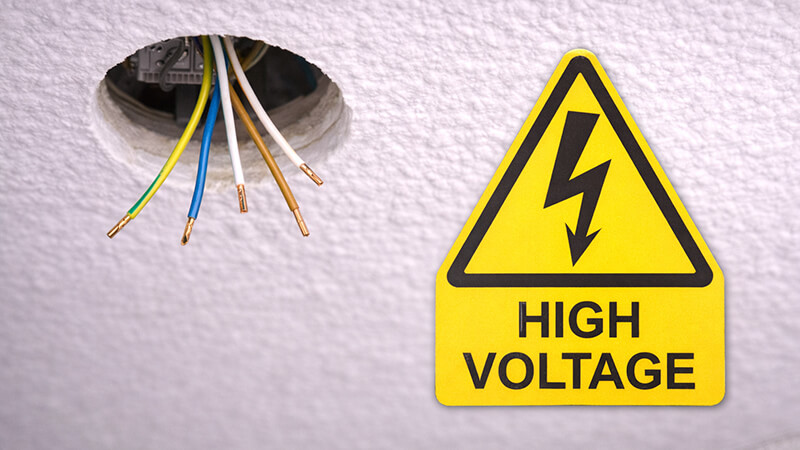
From a business and project management perspective, this is a matter of liability. For any commercial or residential project, managing risk is a top priority. Imagine a fire breaks out in a building. If the official investigation finds that the cause was an improper electrical installation done by an unlicensed person, the consequences are severe. The insurance company will likely deny the claim. The property owner and the project contractor could face major legal and financial penalties. The small amount of money saved by not hiring a licensed electrician is not worth this level of risk.
A Chain of Responsibility
At my company, iPHD, we work hard to ensure our products are safe and reliable. They come with certifications like CE, RoHS, or UL. These certifications confirm that the product itself has passed strict safety tests. But that certification depends on correct installation. Our instruction manuals and warranties state that the product must be installed by a qualified professional in accordance with local laws. When an unqualified person installs the fixture, they break this chain of responsibility. The safety and performance we build into the product are compromised. As a purchasing manager, your role is to maintain that chain. You do this by sourcing certified products and planning for certified installation.
Here is how the roles work together to ensure a successful project:
| Role |
Responsibility |
Key Consideration |
| Manufacturer (iPHD) |
Provide certified, high-quality products. |
Ensure lights meet international safety standards. |
| Purchasing Manager |
Source compliant products and plan for professional installation. |
Include certified labor costs in the project budget. |
| Licensed Electrician |
Install fixtures safely and according to code. |
Guarantee compliance, safety, and proper function. |
| End-User / Client |
Enjoy a safe, reliable, and well-lit space. |
Have peace of mind and long-term value. |
Do you need an electrician for LED lights?
You are upgrading to modern, energy-saving LEDs. The technology seems new and simple. Do you still need to rely on an electrician for this new type of lighting?
It depends entirely on the type of LED light. For hardwired fixtures like downlights, panel lights, or track systems, you absolutely need an electrician. For simple plug-in or screw-in LED bulbs, you can do it yourself. The connection to the power source is the deciding factor.

The world of LED lighting is large and varied. It is important to know the difference between products that are user-friendly and those that are part of the building’s infrastructure. Making the right choice is key to a safe and successful upgrade.
Hardwired vs. Plug-and-Play LEDs
Let’s make this very clear. The main question is: how does the light get its power? If it plugs into a standard wall socket or is a simple replacement for an existing bulb, it is a DIY task. If it must be connected to the wires inside your walls or ceiling, it requires a professional. This table breaks it down:
| LED Light Type |
DIY or Electrician? |
Why? |
| LED Bulbs (E27, GU10, etc.) |
DIY |
Simple screw-in replacement. No direct wiring involved. |
| Plug-in LED Strips/Lamps |
DIY |
Plugs into a standard wall outlet. Uses a low-voltage adapter. |
| Hardwired LED Downlights |
Electrician |
Connects directly to high-voltage mains wiring in the ceiling. |
| Integrated LED Panels |
Electrician |
Requires connection to ceiling wiring and often a separate driver. |
| Hardwired Track Lighting |
Electrician |
The track itself must be powered from the mains electrical supply. |
| Battery-Powered LEDs |
DIY |
No connection to the building’s electrical system at all. |
The Value of Professional Expertise
An electrician’s job involves more than just connecting wires. A good electrician provides valuable expertise that protects your investment in high-quality lighting. They can advise on the best placement of downlights for even light distribution, avoiding dark spots or glare. They also understand dimmer compatibility, which is a common issue with LEDs. Not all dimmers work with all LED lights, and an electrician can ensure you have a combination that provides smooth, flicker-free dimming. They can also check the total load on a circuit to make sure you are not overloading it, which could cause the breaker to trip constantly. This expertise ensures the high-quality lighting you purchased performs perfectly for years to come.
Conclusion
For any hardwired LED downlight, hiring a licensed electrician is essential. It is the only way to ensure safety, comply with regulations, and get the high-quality, long-lasting result you expect.