Struggling with flickering or buzzing dimmable LEDs? You feel frustrated because they don’t work as promised. The solution is understanding how the driver and dimmer communicate to create perfect light.
Dimmable downlights work by using a special driver that interprets signals from a dimmer switch. This driver then precisely reduces the electrical current flowing to the LED chip, which lowers its brightness smoothly. The key is perfect compatibility between the driver and the dimmer switch.

This process sounds simple on the surface. But there is a hidden reason why so many dimmable lighting projects fail. It’s often a communication breakdown between old technology and new technology. This problem is the root cause of most dimming failures I see in my work. Let’s look deeper into why you need to pay close attention to the components you choose.
Do I need a special dimmer switch for dimmable LED lights?
You installed new dimmable LEDs, but they flicker with your old dimmer switch. It feels like you wasted money on an upgrade that doesn’t actually work. The solution is simple: you must match the dimmer technology to the LED driver.
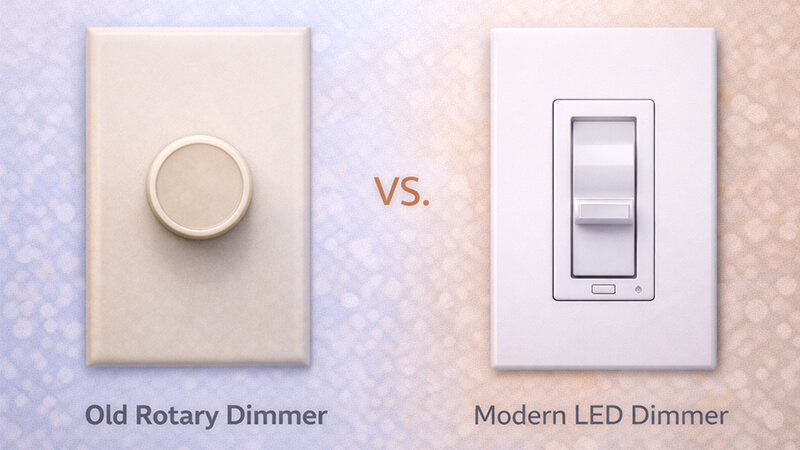
Yes, in almost all cases, you need a special dimmer switch designed for LEDs. Traditional dimmers, made for old incandescent bulbs, deliver power in a way that can cause flickering, buzzing, or even damage when used with modern, low-power LED lights.
The Old Way: Incandescent Dimmers
For decades, the standard dimmer was a leading-edge dimmer, often called a TRIAC dimmer. It worked by chopping off the front part of the AC power wave. This reduced the total power sent to the bulb. Incandescent bulbs were simple. They were just a glowing filament. They didn’t care about the messy, chopped-up power. Less power simply meant less heat and less light. This worked perfectly for them. The technology was simple, cheap, and effective for the bulbs it was designed for.
The New Way: LED-Compatible Dimmers
LEDs are completely different. They are sensitive electronics. They run on low-voltage DC power. So, every LED light has a driver to convert high-voltage AC power from your wall into the low-voltage DC power the LED needs. When you use an old TRIAC dimmer, you send that chopped, messy signal to this sensitive driver. The driver gets confused. It was designed for a clean, full power wave. This confusion is the core problem. Modern LED dimmers, often called trailing-edge dimmers, are much smarter. They chop the back of the power wave, which is gentler on the LED driver’s electronics and provides a much smoother signal for it to interpret.
Why the Mismatch Causes Problems
Here is the industry secret many don’t talk about. The issue is a signal mismatch. The old dimmer sends a crude "analog" message. The new LED driver needs a clear "digital" instruction. When the driver receives the messy signal from an old dimmer, it struggles to maintain a stable current to the LED chip. This struggle results in the flickering and buzzing that drives customers crazy. As a manufacturer, I can tell you that using the wrong dimmer is the number one reason for dimming complaints. It’s not a faulty downlight. It is an incompatible system.
| Dimmer Type |
Technology |
Best For |
Common Problems with LEDs |
| Leading-Edge (TRIAC) |
Chops the start of the AC wave |
Incandescent/Halogen |
Flickering, buzzing, limited range, ghosting |
| Trailing-Edge (ELV) |
Chops the end of the AC wave |
LEDs, Electronic Low-Voltage |
Generally compatible, much smoother dimming |
| 0-10V Dimming |
Uses a separate low-voltage wire |
Commercial LED fixtures |
Requires extra wiring, very reliable |
What happens if you put a dimmer on a non-dimmable light?
You might think about trying your existing dimmer switch on a new, non-dimmable LED to save a little time or money. You are curious if it will work, but you are also worried about breaking something. It is a bad idea that can lead to flickering, buzzing, or complete failure.
Putting a non-dimmable light on a dimmer circuit will likely cause it to flicker, buzz, or strobe erratically. In the worst-case scenario, it can permanently damage the LED’s internal driver or the dimmer switch itself over time due to electrical stress.

The Driver’s Job: Stability is Key
The driver inside a non-dimmable LED light has one simple job. It must take the full, stable AC voltage from the wall and convert it into a very specific, constant DC current. The LED chip needs this exact current to operate correctly and efficiently. The driver’s components are designed with the expectation that they will always receive a full, clean power signal. They are not built to handle the chopped-up power that a dimmer sends out. Think of it like a computer’s power supply. It expects a steady stream of electricity. If the power constantly dips and surges, the computer will crash.
What the Dimmer Signal Does to a Stable Driver
When you connect this non-dimmable driver to a dimmer, you are starving it of the clean power it needs. As the dimmer chops the AC wave, the driver desperately tries to compensate. It attempts to draw more power to maintain its required constant current output. This constant struggle puts immense stress on its internal components, like capacitors and transformers. This stress is what causes the visible problems. The light will flicker or strobe as the driver fails and succeeds in its attempt to regulate the power. The buzzing sound you hear is often the physical vibration of internal components under this unusual electrical load.
The Risk of Damage and Failure
This is not just an performance issue; it is a safety and reliability issue. I remember a client, a project contractor for a hotel renovation, who tried to save costs. He used non-dimmable downlights with the hotel’s existing dimmer systems. Within a few weeks, guests started complaining about flickering lights in their rooms. The maintenance team found that dozens of the new downlights had already failed. The constant electrical stress from the dimmers had burned out the drivers. The small amount they tried to save on fixtures led to a much bigger cost in replacement parts and labor. The stress can also cause components to overheat, which presents a genuine fire hazard over the long term.
How do dimmable LED lights work?
You already know that dimmable LEDs need a special driver to function. But how does that driver actually change the light from 100% bright to 10% dim? The secret is not about reducing voltage, but about precisely controlling the current supplied to the LED.
Dimmable LED drivers work by interpreting the signal from the dimmer switch. Then, they use a method like Pulse Width Modulation (PWM) or Constant Current Reduction (CCR) to precisely control the amount of energy the LED chip receives, thus controlling its brightness.
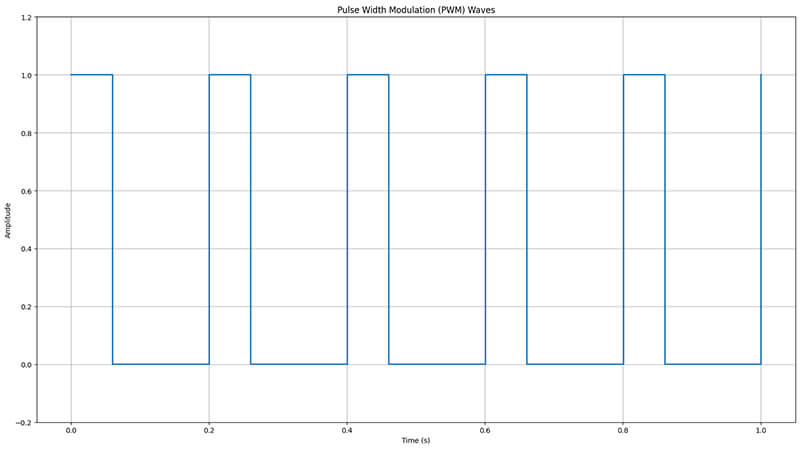
Pulse Width Modulation, or PWM, is a digital dimming method. Instead of supplying less power, the driver turns the LED on and off extremely fast. This happens hundreds or even thousands of times per second, far too quick for the human eye to notice. Our eyes just average it out. To make the light appear dimmer, the driver simply increases the length of the "off" time within each cycle. For example, at 100% brightness, the LED is always on. At 50% brightness, it is on for half the time and off for half the time. At 10% brightness, it is on for only a small fraction of the time. This method is very efficient and maintains a very consistent color temperature across the entire dimming range.
Constant Current Reduction, also known as analog dimming, is a more straightforward method. The driver simply reduces the amount of electrical current flowing continuously to the LED chip. It is a direct relationship: less current equals less light. This method produces a very smooth dimming effect, especially at very low light levels, and it does not create the potential for flicker that can sometimes be picked up by video cameras with PWM dimming. However, one downside of CCR is that some LED chips can experience a slight color shift at very low current levels. The light might appear warmer or cooler than it does at full brightness.
Which Method is Better?
From my experience in manufacturing, both methods are widely used in high-quality drivers. The choice often depends on the application. For general commercial and residential lighting, PWM is extremely common due to its efficiency and color consistency. For specialized applications like television studios or professional photography settings where avoiding any kind of flicker is critical, CCR drivers are often preferred. A well-designed driver, whether PWM or CCR, will work perfectly when paired with the right dimmer. The key is that the driver must correctly interpret the signal from the wall dimmer to execute its dimming method flawlessly.
| Dimming Method |
How it Works |
Pros |
Cons |
| PWM |
Turns LED on and off very rapidly |
Excellent color consistency, efficient |
Can cause flicker on video, potential for noise |
| CCR |
Reduces the steady current to the LED |
Very smooth dimming, no camera flicker |
Potential for color shift at low levels |
What happens if you use the wrong dimmer with LED lights?
Your new dimmable LEDs are buzzing, or they are flickering badly. You get annoyed because you paid for a premium feature that is failing to deliver. The problem, almost every time, is an incompatible dimmer switch.
Using the wrong dimmer with dimmable LEDs causes a wide range of problems. You might see flickering, strobing, hear buzzing noises, have a limited dimming range, or find that the lights do not turn on or off correctly.

The "Analog vs. Digital" Mismatch
This is the most important concept to understand. A traditional dimmer sends a choppy, "analog" signal. A modern LED driver needs to interpret that signal to give a precise, "digital" command to the LED chip. When an old leading-edge dimmer is paired with a new LED driver, the driver cannot understand the messy instructions. It tries its best to make sense of the incoming power, but its sensitive electronics are overwhelmed. This communication failure is the source of all the common symptoms of bad dimming. It is the root cause of the problem.
Common Symptoms of Incompatibility
As a manufacturer, this is the number one issue my team and I troubleshoot with clients. A purchasing manager like Shaz might call me and say our downlights are faulty. But nine times out of ten, the conversation goes the same way. I ask them to check the exact model of the dimmer switch being used. We discover it is an old leading-edge type not designed for LEDs. A simple swap to a compatible trailing-edge or universal dimmer solves everything instantly. Here is what happens in these situations:
- Flickering/Strobing: The driver cannot get a stable reading from the chopped power wave. It constantly tries to adjust its output, causing the light to flash.
- Buzzing/Humming: This noise is the physical vibration of electronic components, usually the inductor coil, inside either the dimmer or the LED driver. They vibrate as they struggle with the unstable electrical load.
- Limited Dimming Range: The old dimmer might not be able to lower the power smoothly or cleanly enough. The LED driver misinterprets the signal and only dims to 50% or 40% before just turning off completely.
- Lights Don’t Turn Off (Ghosting): Old dimmers can "leak" a tiny amount of electricity even when off. This small current is not enough to light an old incandescent bulb, but it is plenty to make highly efficient LEDs glow faintly.
How to Choose the Right Dimmer
To avoid all these issues, the solution is to ensure compatibility from the start. Always use a dimmer that is specifically listed as "LED compatible" or "Universal." The best practice is to check the compatibility list provided by the lighting manufacturer. At my company, iPHD, we test our downlights with a wide range of common dimmers and provide a list to our partners. This simple step prevents headaches, saves money, and ensures the end-user gets the smooth, silent, and full-range dimming performance they expect.
Conclusion
Perfect LED dimming requires matching a dimmable driver with a compatible LED dimmer switch. This simple step ensures smooth, silent, and flicker-free control, preventing the most common lighting performance issues.